SHOPS
Grams and litres first
You must use metric units when selling packaged or loose goods. An imperial figure can appear too, but it cannot stand out more than the metric one.
Check a product doodlemetric
UNITS AND THE LAW
Britain measures in two systems at once.

METRIC FIRST imperial alongside
1.609344 km One mile in kilometres
Shops must sell in grams and litres, yet beer still comes in pints and road signs show miles. UK law sets out exactly where imperial units survive, and how prominent they are allowed to be.
THE SHORT ANSWER
The rules below apply in England, Scotland and Wales.
Northern Ireland has different rules.
SHOPS
You must use metric units when selling packaged or loose goods. An imperial figure can appear too, but it cannot stand out more than the metric one.
Check a productEXCEPTIONS
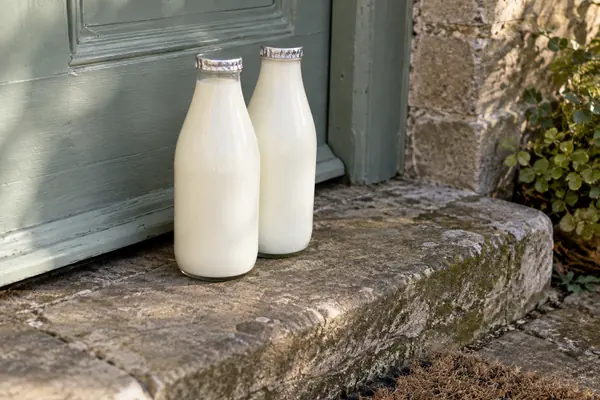
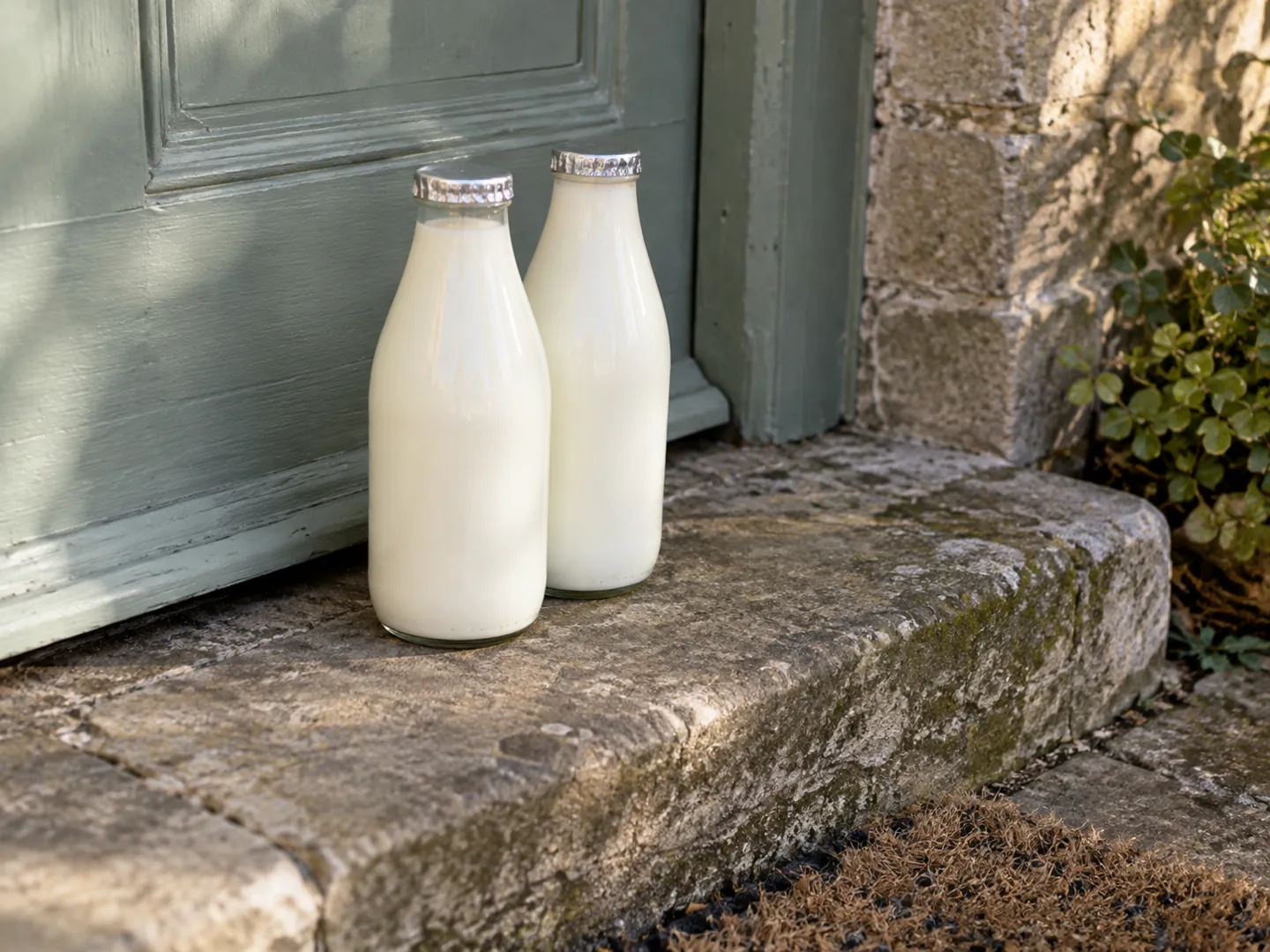
Only three products can be sold in imperial: draught beer or cider by the pint, milk in returnable containers by the pint, and precious metals by the troy ounce.
See the numbersSI UNITS
The International System of Units, named in 1960, rests on seven base units, from the metre and kilogram to the candela.
How units are definedA QUICK PRODUCT CHECK
Pick a product to see what UK weights and measures law allows. The bar shows how freely imperial units can be used.
Based on GOV.UK, Weights and measures: the law, and Business Companion trading standards guidance for England, Scotland and Wales.
READ A LABEL LIKE TRADING STANDARDS
Quantity labels follow set rules. These come from trading standards guidance for England, Scotland and Wales.
Only permitted symbols count, such as g, kg, ml, l or L. Liquids are usually marked by volume, other goods by weight.
Pounds, ounces or pints may appear too, but must not be more prominent than the metric figure.
500 g cannot be written as ½ kg. Only a fraction of a pint is allowed.
Quantity marks must be easily visible, legible and indelible, and at least a minimum height for the pack size.
TWO NUMBERS WORTH KNOWING
One figure from UK law,
one from the international system.
1.609344 km
One mile in kilometres
The 1995 Regulations list exact metric equivalents for imperial units: an inch is 2.54 cm, a pint 0.56826125 litre and a pound 0.45359237 kilogram.
LENGTH · UNITS OF MEASUREMENT REGULATIONS 1995
7
SI base units
Kilogram, metre, second, ampere, kelvin, mole and candela. Every other SI unit is built from these, so measurements stay comparable worldwide.
SI · NATIONAL PHYSICAL LABORATORY
The 1995 Regulations also kept the mile, yard, foot and inch for road traffic signs, distance and speed measurement, and the fathom for marine navigation until 2000.
HOW UNITS ARE DEFINED
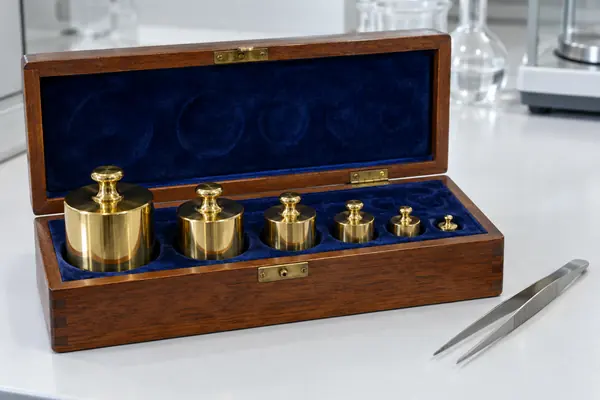
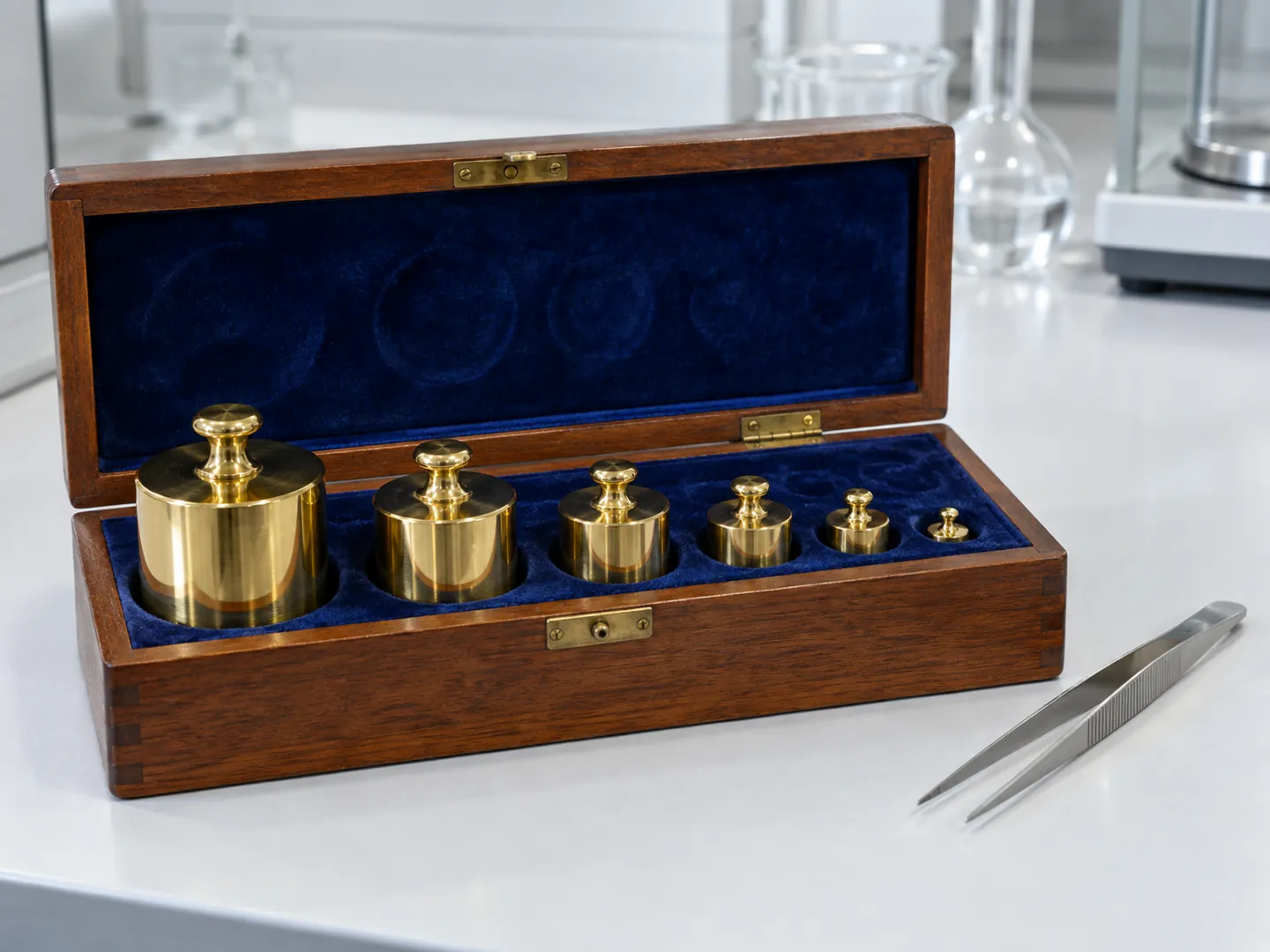
The metre was once the length between lines on a metal bar, and the kilogram the mass of a single platinum-iridium cylinder. Physical objects can change or be damaged, so definitions now rest on constants of nature such as the speed of light and the Planck constant.
In November 2022, measurement scientists and governments voted to add four new SI prefixes, reaching up to quetta: a 1 followed by 30 zeros. The UK's National Physical Laboratory is the country's National Metrology Institute.
Questions
Goods in England, Scotland and Wales must be sold in metric units. You can show pounds and ounces alongside, but they cannot stand out more than the metric measurement.
According to GOV.UK, only draught beer or cider by the pint, milk in returnable containers by the pint, and precious metals by the troy ounce.
The 1995 Units of Measurement Regulations excluded the mile, yard, foot and inch for road traffic signs, distance and speed measurement from the switch to metric.
The Units of Measurement Regulations 1995 give the metric equivalent of a pint as 0.56826125 litre, and a gallon as 4.54609 litres.
The kilogram, metre, second, ampere, kelvin, mole and candela. The system was formally named the International System of Units in 1960.
Updated
ABOUT THIS NAME
doodlemetric.com is part of the DoodleSale portfolio. It isn't in an auction right now, but you can ask about leasing it.